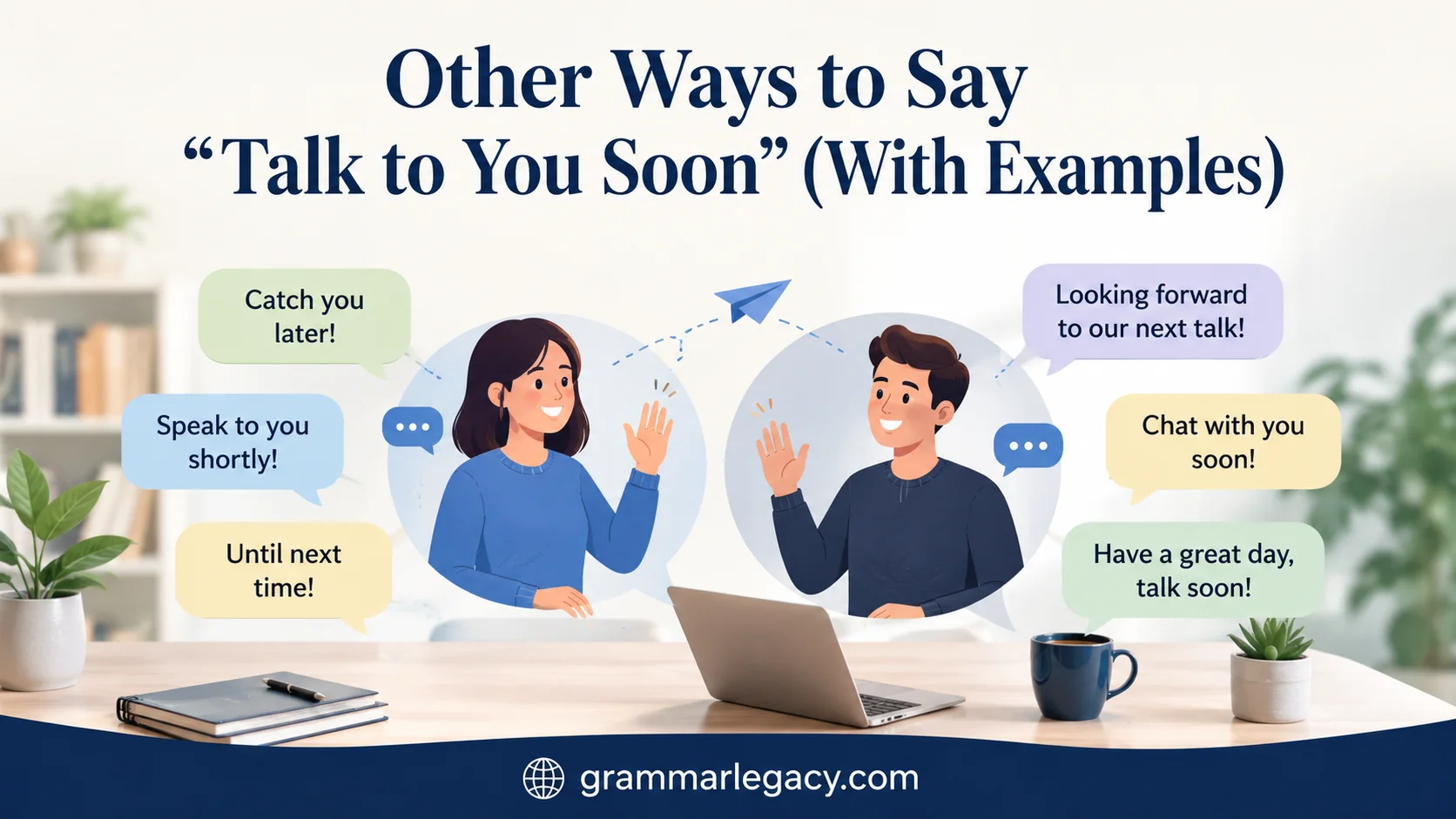

In Other Ways to Say “Talk to You Soon” (With Examples), people often look for a polite, professional, and friendly way to end an email, conversation, or business communication. This simple phrase is common in personal contexts and professional contexts, but it can sound too casual for clients, stakeholders, or senior executives. A polished alternative helps enhance professionalism, build credibility, and convey respect while still signaling further communication and keeping the tone warm and clear.
Choosing the right professional phrases depends on context, tone, and the relationship with the recipient. In texts, emails, and calls, a good sign-off can show sincerity, confidence, and a real desire to communicate again shortly or in the near future. The best examples are those that feel natural, acceptable, and easy to use in real life, especially when you want to avoid an overly informal phrase and leave a strong, respectful final impression.
Did You Know About “Talk to You Soon”?
The phrase “talk to you soon” is one of the most common closing lines in modern English. It works because it is short, friendly, and open-ended, which makes the other person feel that the conversation is not really ending. It also creates a sense of connection, anticipation, and warmth.
People use this phrase in texts, emails, phone calls, and even social media chats. It is especially useful when you want to leave the conversation on a positive note without sounding too formal or too distant.
What Does “Talk to You Soon” Mean?
“Talk to you soon” means that you expect to speak with someone again in the near future. It is a polite and friendly way to end a message or conversation while showing that the relationship continues.
The phrase is often used when the timing is not exact, but the intention is clear. It may sound casual in everyday chat, but it can also be softened or polished for professional communication.
Professional or Political Way to Say “Talk to You Soon”
In formal, professional, or political settings, it is often better to use language that sounds calm, respectful, and composed. Instead of sounding too casual, you can say:
“I look forward to speaking with you again soon.”
“We will reconnect shortly.”
“I appreciate your time and look forward to our next conversation.”
“I remain available for further discussion.”
These versions are ideal for business emails, public relations, diplomatic communication, and formal follow-ups because they sound thoughtful and courteous.
“Talk to You Soon” Synonyms
- Speak with you soon
- Talk again soon
- Catch you later
- Talk to you later
- Catch up soon
- I’ll be in touch
- We’ll speak again soon
- Until next time
- Speak soon
- Chat soon
- Be in touch soon
- Looking forward to speaking again
- Until we talk again
- Keep in touch
- Let’s reconnect soon
- I’ll check in soon
- Until we meet again
- Reach out soon
- Speak with you again shortly
- Until our next conversation
- We’ll connect again soon
- Until I hear from you again
- I’ll talk to you again soon
- Let’s talk soon
- Until we chat again
- Stay in touch
- We’ll speak in no time
- I look forward to hearing from you
- Until we speak once more
- May we speak again soon
1. Speak with you soon
Definition:
This is a polite and simple way to say that another conversation is coming soon. It feels slightly more polished than the casual version.
Meanings:
It shows interest in continuing the connection. It also suggests a near-future conversation.
Example:
Speak with you soon about the project details.
Detailed Explanation:
This phrase works well when you want to sound friendly but not overly casual. It is a strong choice for emails, client messages, or respectful personal communication. It keeps the tone warm while still sounding tidy and professional. It is one of the most balanced alternatives to talk to you soon.
Tone:
Professional, neutral, friendly
Best use:
Business messages, polite texts, and follow-up emails
2. Talk again soon
Definition:
This phrase suggests that another conversation will happen shortly. It feels natural and comfortable in everyday English.
Meanings:
It signals that the relationship and communication will continue. It also feels relaxed and genuine.
Example:
It was great catching up with you. Talk again soon.
Detailed Explanation:
This is a good option when you want to sound warm without being too formal. It works nicely after a phone call, chat, or meeting. The phrase feels easy and human, which makes it useful in both personal and work settings. It is a good everyday replacement for talk to you soon.
Tone:
Casual, warm, natural
Best use:
Friendly messages, informal emails, and quick sign-offs
3. Catch you later
Definition:
This is a very casual farewell that means you will speak or meet again later. It is commonly used in everyday speech and texting.
Meanings:
It shows comfort, closeness, and relaxed communication. It often implies a short-term goodbye.
Example:
I have to run now, but catch you later.
Detailed Explanation:
This phrase is best for people you know well. It sounds light, modern, and conversational. It is not usually the best choice for formal settings, but it works beautifully with friends, siblings, and close coworkers. If you want a softer, more personal version of talk to you soon, this is a great option.
Tone:
Casual, friendly, relaxed
Best use:
Text messages, friendly calls, and informal goodbyes
4. Talk to you later
Definition:
This phrase means the conversation will continue at a later time. It is one of the most familiar alternatives in English.
Meanings:
It suggests a temporary pause, not a final goodbye. It keeps the connection open.
Example:
I need to get back to work now. Talk to you later.
Detailed Explanation:
This expression is simple and effective. It sounds slightly less hopeful than talk to you soon, but it still keeps things friendly and open. It is useful in both spoken and written communication. Because of its simplicity, it remains one of the most natural alternatives in casual English.
Tone:
Casual, neutral, easygoing
Best use:
Daily conversations, texts, and quick farewells
5. Catch up soon
Definition:
This phrase means you want to reconnect and talk after some time apart. It feels warm and personal.
Meanings:
It suggests shared interest, friendship, and future connection. It also implies that both people may have updates to share.
Example:
It has been too long. Let’s catch up soon.
Detailed Explanation:
This is a lovely phrase for friends, family, and old colleagues. It suggests more than just talking; it suggests reconnecting in a meaningful way. The phrase works especially well after a long gap in communication. It is a more personal and inviting alternative to talk to you soon.
Tone:
Warm, friendly, thoughtful
Best use:
Reconnecting with friends, relatives, and former coworkers
6. I’ll be in touch
Definition:
This is a confident way to say that you will contact someone again. It sounds slightly more formal and intentional.
Meanings:
It shows that you plan to follow up. It can also suggest professionalism and reliability.
Example:
Thank you for your time. I’ll be in touch next week.
Detailed Explanation:
This phrase is excellent in professional settings because it sounds clear and dependable. It is often used after interviews, meetings, or business discussions. Unlike casual closings, it emphasizes that the speaker will take initiative. It is a strong choice when you want to replace talk to you soon with something more polished.
Tone:
Professional, confident, respectful
Best use:
Emails, interviews, and business follow-ups
7. We’ll speak again soon
Definition:
This phrase clearly states that another conversation will happen soon. It feels smooth, respectful, and somewhat formal.
Meanings:
It shows expectation of continued communication. It also creates a reassuring sense of continuity.
Example:
Thank you for your time today. We’ll speak again soon.
Detailed Explanation:
This alternative works well in business, academic, and formal personal contexts. It sounds more composed than a casual farewell and can be used when you want to leave a good impression. Because it includes “we,” it feels collaborative and balanced. It is a refined substitute for talk to you soon.
Tone:
Formal, calm, respectful
Best use:
Meetings, formal correspondence, and professional check-ins
8. Until next time
Definition:
This phrase is a gentle goodbye that suggests another meeting or conversation will happen later. It feels complete yet open.
Meanings:
It shows continuity and expectation. It can also feel poetic or reflective.
Example:
Take care, and until next time.
Detailed Explanation:
This phrase is flexible and can work in both casual and slightly formal situations. It often sounds a little more thoughtful than a basic farewell. Many people use it when ending a video, podcast, meeting, or heartfelt message. It is a graceful alternative to talk to you soon.
Tone:
Warm, reflective, smooth
Best use:
Endings, sign-offs, and thoughtful messages
9. Speak soon
Definition:
This short phrase means you expect to communicate again soon. It is polished, brief, and very natural.
Meanings:
It suggests that another conversation is likely. It also sounds friendly without being too casual.
Example:
Thanks for the update. Speak soon.
Detailed Explanation:
This is one of the most versatile alternatives available. It works well in emails, texts, and meetings because it is short but courteous. Many professionals prefer it because it sounds modern and efficient. If you want a cleaner version of talk to you soon, this is a reliable choice.
Tone:
Neutral, professional, friendly
Best use:
Work emails, follow-ups, and concise messages
10. Chat soon
Definition:
This phrase means you expect to have a chat again soon. It is informal and friendly.
Meanings:
It suggests easy conversation and a relaxed relationship. It often works best in digital communication.
Example:
Enjoy the rest of your day. Chat soon.
Detailed Explanation:
This phrase is perfect for texts, social media, and casual notes. It feels approachable and upbeat. Because “chat” sounds lighter than “speak,” it gives the message a modern feel. It is a strong casual alternative to talk to you soon.
Tone:
Casual, cheerful, light
Best use:
Texts, direct messages, and friendly notes
11. Be in touch soon
Definition:
This phrase means you will make contact again shortly. It sounds courteous and a little more polished.
Meanings:
It shows intention, follow-through, and communication. It can also reassure the other person.
Example:
I will review the details and be in touch soon.
Detailed Explanation:
This is especially useful in work-related settings because it sounds thoughtful and reliable. It tells the other person that a follow-up is coming without being overly specific. It is ideal when you want to keep a conversation open in a professional way. It is a dignified alternative to talk to you soon.
Tone:
Professional, polite, calm
Best use:
Business communication, client updates, and formal follow-ups
12. Looking forward to speaking again
Definition:
This phrase shows anticipation and positive expectation about another conversation. It feels warm and thoughtful.
Meanings:
It expresses genuine interest in continuing the exchange. It also adds a more sincere emotional touch.
Example:
Thank you for your insights. Looking forward to speaking again.
Detailed Explanation:
This phrase is excellent when you want to sound appreciative and engaged. It is common in professional communication because it feels respectful and positive. It also works in personal messages when you want to express care. Compared with talk to you soon, it feels more intentional and polished.
Tone:
Warm, respectful, professional
Best use:
Emails, meetings, and thoughtful messages
13. Until we talk again
Definition:
This phrase is a gentle way to end a conversation while emphasizing future contact. It sounds personal and warm.
Meanings:
It indicates a temporary pause, not a final goodbye. It can feel slightly emotional or caring.
Example:
Take care of yourself until we talk again.
Detailed Explanation:
This is a lovely choice for friends, family, and heartfelt messages. It feels more intimate than many other alternatives and can be especially comforting in difficult or emotional situations. The phrase is simple but carries emotional depth. It is a beautiful alternative to talk to you soon.
Tone:
Warm, caring, tender
Best use:
Personal messages, supportive notes, and close relationships
14. Keep in touch
Definition:
This phrase means both people should continue communicating over time. It sounds friendly and open-ended.
Meanings:
It encourages ongoing connection. It also shows that the relationship matters.
Example:
It was great meeting you. Keep in touch.
Detailed Explanation:
This is one of the most popular closings in English because it works in so many situations. It can be used in friendships, networking, and professional settings. It does not promise an exact next conversation, but it keeps the door open. It is a practical and flexible replacement for talk to you soon.
Tone:
Friendly, neutral, open
Best use:
Networking, casual goodbyes, and general contact
15. Let’s reconnect soon
Definition:
This phrase invites future communication or meeting. It feels active and friendly.
Meanings:
It suggests that the speaker wants to renew the connection. It also sounds warm and intentional.
Example:
We should compare notes next week. Let’s reconnect soon.
Detailed Explanation:
This phrase works well when you have not spoken in a while or when you want to strengthen a relationship again. It is especially useful in professional networking and personal catch-ups. The word “reconnect” adds a sense of renewed interest. It is a thoughtful alternative to talk to you soon.
Tone:
Friendly, warm, intentional
Best use:
Networking, reunions, and follow-up conversations
Read This: 30 Other Ways to Say “Stay Tuned” (With Examples)
16. I’ll check in soon
Definition:
This phrase means you will contact the person again soon, usually to see how things are going. It is caring and practical.
Meanings:
It shows concern, follow-up, and attention. It can be personal or professional depending on the context.
Example:
Rest well, and I’ll check in soon.
Detailed Explanation:
This phrase is especially useful when someone is going through a project, problem, or difficult time. It can feel supportive and reassuring. In work settings, it suggests responsibility and active follow-up. It is a kind and useful alternative to talk to you soon.
Tone:
Supportive, caring, professional
Best use:
Wellness check-ins, project follow-ups, and supportive messages
17. Until we meet again
Definition:
This phrase is a classic farewell that suggests another meeting in the future. It feels elegant and timeless.
Meanings:
It conveys hope for a future reunion. It can also sound deeply warm or emotional.
Example:
It was wonderful seeing you. Until we meet again.
Detailed Explanation:
This expression has a graceful and memorable quality. It is often used in emotional, formal, or poetic contexts. Because it sounds a little more traditional, it can add charm to a message or speech. It is a beautiful alternative to talk to you soon when you want a more heartfelt tone.
Tone:
Elegant, emotional, warm
Best use:
Farewells, speeches, and meaningful messages
18. Reach out soon
Definition:
This phrase means the other person should make contact again soon, or that you expect to do so. It feels modern and practical.
Meanings:
It encourages communication. It can also sound helpful and direct.
Example:
Feel free to reach out soon if you need anything.
Detailed Explanation:
This phrase is especially common in business and customer communication. It can also be used casually when someone wants to stay connected. It sounds clear and action-oriented, which makes it useful in many digital settings. It is a strong, contemporary alternative to talk to you soon.
Tone:
Practical, neutral, helpful
Best use:
Emails, support messages, and professional chats
19. Speak with you again shortly
Definition:
This is a polished way to say that another conversation will happen very soon. It sounds formal and courteous.
Meanings:
It suggests a near-term follow-up. It also communicates professionalism and respect.
Example:
Thank you for your patience. Speak with you again shortly.
Detailed Explanation:
This phrase is ideal when you want to sound refined and serious. It works well in formal correspondence, customer service, and executive communication. It is less casual than most alternatives, but it keeps the tone friendly. It is an excellent substitute for talk to you soon in professional settings.
Tone:
Formal, polished, respectful
Best use:
Business emails, formal replies, and official communication
20. Until our next conversation
Definition:
This phrase acknowledges that there will be another conversation in the future. It feels thoughtful and somewhat formal.
Meanings:
It emphasizes continuity and future contact. It also sounds mature and composed.
Example:
Thank you again for the discussion. Until our next conversation.
Detailed Explanation:
This is a great phrase for professional, academic, or reflective writing. It can also work when you want a graceful ending without sounding too emotional. The phrase creates a sense of structure and anticipation. It is a refined alternative to talk to you soon.
Tone:
Formal, thoughtful, composed
Best use:
Meetings, letters, and polite partings
21. We’ll connect again soon
Definition:
This phrase means the connection will continue in the near future. It is friendly and clear.
Meanings:
It suggests planned future contact. It can feel personal or professional.
Example:
Thanks for today’s meeting. We’ll connect again soon.
Detailed Explanation:
This phrase is especially useful in modern work communication because “connect” feels collaborative and flexible. It can be used in networking, partnerships, and team communication. It sounds positive without being overly formal. It is a strong modern alternative to talk to you soon.
Tone:
Friendly, modern, professional
Best use:
Networking, team chats, and business follow-up
22. Until I hear from you again
Definition:
This phrase means you will wait for the other person to contact you again. It sounds patient and calm.
Meanings:
It shows openness to future communication. It can also imply a respectful pause.
Example:
Take care, until I hear from you again.
Detailed Explanation:
This phrase is useful when the next contact depends on the other person. It feels gentle and considerate, especially in delicate situations. It can sound slightly more emotional than a standard farewell. It is a graceful option when replacing talk to you soon.
Tone:
Patient, gentle, thoughtful
Best use:
Sensitive conversations, personal notes, and open-ended communication
23. I’ll talk to you again soon
Definition:
This is a direct and friendly promise of future conversation. It is clear, natural, and easy to understand.
Meanings:
It shows intent to reconnect. It also sounds caring and familiar.
Example:
Have a great evening. I’ll talk to you again soon.
Detailed Explanation:
This phrase keeps the emotional warmth of the original while making the future contact feel more certain. It works well with friends, family, and friendly coworkers. It is especially useful when you want to sound sincere and personal. It is a close cousin of talk to you soon.
Tone:
Warm, friendly, sincere
Best use:
Personal messages, calls, and informal closures
24. Let’s talk soon
Definition:
This phrase invites future conversation in a simple and direct way. It feels easy and approachable.
Meanings:
It shows interest in continuing the dialogue. It can also sound cooperative.
Example:
I’d love to hear more. Let’s talk soon.
Detailed Explanation:
This is a very versatile phrase that works in personal and professional settings. It sounds friendly, but it also encourages action. Because it is short, it fits neatly into texts and emails. It is a smooth alternative to talk to you soon.
Tone:
Friendly, direct, approachable
Best use:
Texts, invitations to discuss, and casual follow-ups
25. Until we chat again
Definition:
This phrase means another friendly conversation will happen later. It feels light and pleasant.
Meanings:
It suggests continued warmth and connection. It also feels suitable for casual communication.
Example:
Enjoy your trip. Until we chat again.
Detailed Explanation:
This alternative is especially good for texting and social chats. It feels softer than some business-style phrases and more personal than a cold goodbye. The word “chat” keeps the tone relaxed and easy. It is a lovely everyday option instead of talk to you soon.
Tone:
Casual, warm, relaxed
Best use:
Friend messages, social media, and everyday conversations
26. Stay in touch
Definition:
This phrase encourages ongoing communication over time. It is friendly and widely understood.
Meanings:
It shows that the connection matters. It also suggests mutual effort.
Example:
It was great meeting you. Stay in touch.
Detailed Explanation:
This is one of the most classic English closings for professional networking and personal goodbyes. It is simple, respectful, and useful in many situations. It does not require a quick next conversation, but it keeps the relationship alive. It is one of the best all-purpose alternatives to talk to you soon.
Tone:
Friendly, neutral, respectful
Best use:
Networking, farewells, and long-term communication
27. We’ll speak in no time
Definition:
This phrase means you expect to speak very soon. It sounds upbeat and confident.
Meanings:
It shows eagerness and anticipation. It also creates a lively, optimistic tone.
Example:
Take care, and we’ll speak in no time.
Detailed Explanation:
This phrase is a bit more expressive than the standard version. It works well when you want to make the other person feel positively remembered. It is good for friendly and romantic contexts, especially when the relationship is close. It gives talk to you soon a more energetic feeling.
Tone:
Upbeat, warm, optimistic
Best use:
Friendly messages, light romance, and cheerful sign-offs
28. I look forward to hearing from you
Definition:
This phrase means you expect and welcome a reply. It is formal, polite, and widely used.
Meanings:
It shows professionalism and respect. It also invites the next step in communication.
Example:
Please let me know your thoughts. I look forward to hearing from you.
Detailed Explanation:
This phrase is one of the most common formal closings in business English. It works especially well when you are waiting for a response or decision. It sounds courteous, clear, and mature. For emails and official communication, it is often better than talk to you soon.
Tone:
Formal, polite, professional
Best use:
Business emails, applications, and official requests
29. Until we speak once more
Definition:
This phrase is a slightly more poetic way to say that you will talk again. It sounds graceful and thoughtful.
Meanings:
It suggests another conversation in the future. It can also feel elegant or emotional.
Example:
Wishing you peace and good health until we speak once more.
Detailed Explanation:
This phrase is less common, but it can be very effective in heartfelt writing. It works well in thoughtful letters, emotional messages, and spiritual or reflective contexts. The wording feels deliberate and calm. It is a poetic alternative to talk to you soon.
Tone:
Poetic, graceful, thoughtful
Best use:
Heartfelt notes, spiritual writing, and elegant farewells
30. May we speak again soon
Definition:
This phrase sounds hopeful, polite, and a little elevated. It expresses a wish for future contact.
Meanings:
It shows kindness, respect, and optimism. It can also feel traditional or ceremonial.
Example:
It was an honor speaking with you. May we speak again soon.
Detailed Explanation:
This is a refined phrase that can work in formal, romantic, or respectful contexts. It feels more intentional than everyday language, which makes it useful when you want your words to carry extra weight. It is especially strong in letters, speeches, and meaningful exchanges. It is a beautiful final alternative to talk to you soon.
Tone:
Formal, respectful, hopeful
Best use:
Ceremonial writing, dignified messages, and thoughtful closings
FAQs :
1. What does “Talk to You Soon” mean?
It is a simple closing phrase used in an email, conversation, or messages to show you plan to communicate again shortly in the near future.
2. Is “Talk to You Soon” formal or informal?
It is mostly friendly, informal, and casual, which works well in personal contexts but may feel less suitable in professional contexts like business communication.
3. When should I avoid using “Talk to You Soon”?
You should avoid it in formal business interaction with clients, stakeholders, or senior executives, where a more polished alternative is better.
4. What are better alternatives to “Talk to You Soon”?
Better professional phrases depend on tone and context, but they should still show respect, clarity, and confidence while signaling further communication.
5. Why are alternative phrases important?
They help enhance professionalism, build credibility, and ensure your closing feels appropriate for the recipient, improving overall communication quality.
Conclusion :
Using Other Ways to Say “Talk to You Soon” (With Examples) helps you choose better sign-offs for different situations. Instead of a default informal phrase, you can select more natural, professional, and polished alternative expressions that fit the right tone and context. This improves business communication, shows courtesy, and keeps your messages clear, respectful, and effective in both personal contexts and professional contexts.